
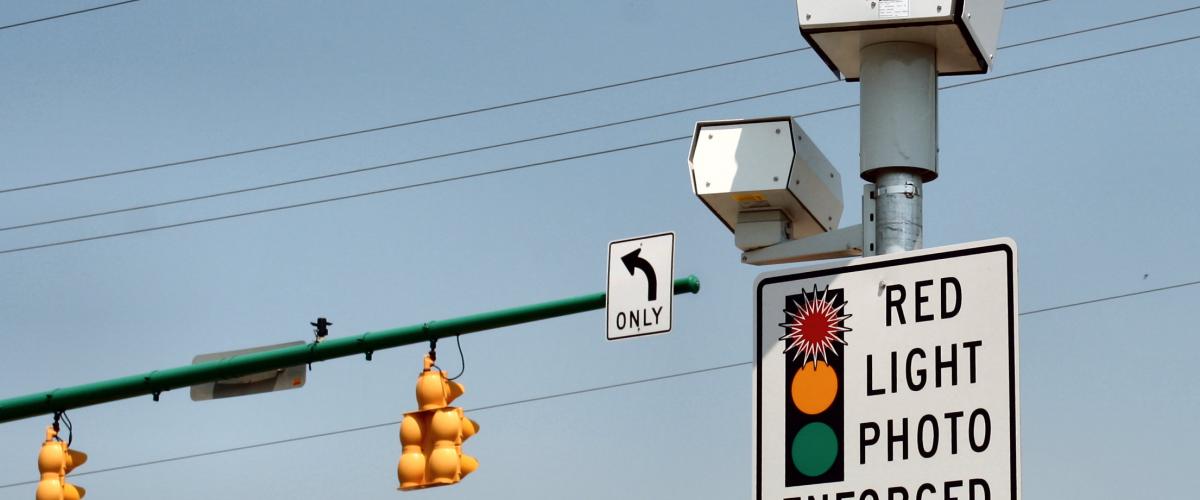
Automated enforcement uses cameras to capture images of drivers committing traffic violations – most commonly, speeding and red light running. Citations are mailed to the vehicle owner. Many state laws specify when, where and how automated enforcement may be carried out.
GHSA PolicyClick here to view GHSA's Policy and Priorities on Automated Enforcement |
There were 12,330 speeding-related fatalities in 2021 – an 8% increase from the year before. Speeding-related fatalities accounted for 29% of traffic deaths that year. (Traffic Safety Facts, National Highway Traffic Safety Administration).
Crashes involving red-light running killed 1,109 people in 2021. Half of those killed were pedestrians, bicyclists and people in other vehicles who were hit by the red light runners. That same year, an estimated 127,000 people were injured in red light running crashes (Insurance Institute for Highway Safety).
Automated enforcement is intended to augment — not replace — traditional traffic enforcement activities and remind drivers there is always a risk of “getting caught” running a red light or speeding.
Red light and speed cameras are powerful tools to reduce crashes. Automated enforcement can address inequities present in traditional traffic enforcement, since cameras do not see race, nationality, gender or other unique characteristics. However, community engagement and careful consideration of where cameras are placed is critical to building support for automated enforcement programs.
Automated Enforcement in a New Era
In December 2023, GHSA, with the support of State Farm®, released a report, Automated Enforcement in a New Era, that discusses the benefits of traffic safety cameras that detect speeding, red-light running and school bus stop-arm violations, and makes recommendations to states and traffic safety partners considering implementing or expanding the use of this proven technology.
The report and recommendation build upon a checklist released in 2021 by GHSA, AAA, Advocates for Highway and Auto Safety, the Insurance Institute for Highway Safety and the National Safety Council, that can serve as a roadmap for communities that are establishing or expanding automated enforcement programs.
Critics of speed and red light cameras argue they exist to make money for law enforcement agencies and/or the technology providers. However, the objective is to deter violators, not to catch them. Signs and publicity campaigns typically warn drivers that photo enforcement is in use. Revenue is generated from violator fines, but this is a fundamental component of all traffic enforcement programs. The goal of traffic enforcement is to increase motorist compliance with safety laws, which means when drivers no longer run red lights or speed, the revenue from automated enforcement cameras will decline.
GHSA supports the use of automated enforcement in addition to other proven countermeasures to enforce speeding, red light running and other traffic violations, and urges states to enact legislation allowing the use of this technology.
News tagged with Speed and Red Light Cameras


Featured Initiative
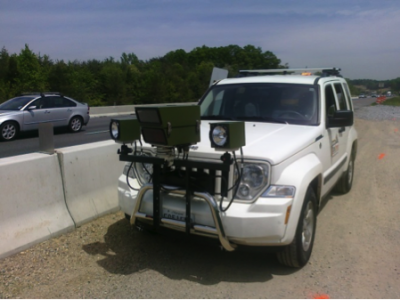
Maryland SafeZones: Work Zone Automated Speed Enforcement
Maryland worked with several partners to develop an automated speed enforcement (ASE) program for work zones on the state’s controlled access highways.Read More
