Distraction is hard to see in crash and citation data. A driver glancing at a phone rarely leaves a record unless something goes wrong. WTSC set out to change that by putting real-time driving data in the hands of the officers who decide where patrols go.
A New Way to See Distraction
WTSC partnered with Cambridge Mobile Telematics to give law enforcement agencies free licenses to StreetVision. The platform uses anonymized telemetric data to show where and when drivers are making handheld phone calls, tapping on their phones and speeding, with data updated within about two days.
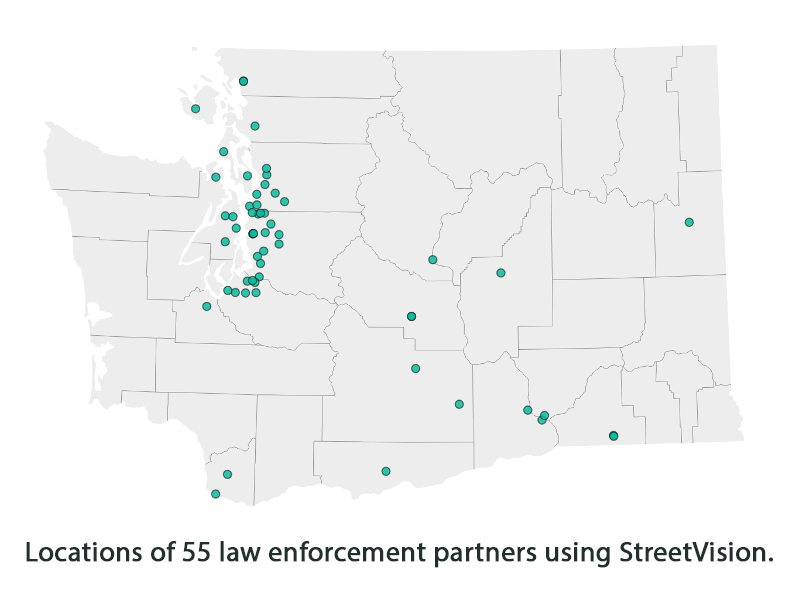
WTSC aimed to license 25 agencies and ended up issuing licenses to 55, from small-town departments to the Seattle and Spokane police departments, county sheriff’s offices, and two Washington State Patrol districts.
WTSC held seven onboarding sessions in January 2026, offered one-on-one training to new users, and hosted monthly Community of Practice sessions where officers shared tips and real examples. By June, 87% of license holders were using StreetVision at least monthly, and every regular user found the data useful.
From Data to the Streets
The data changed how agencies deploy officers. Nearly two-thirds of license holders shifted enforcement toward the times and places StreetVision flagged as high-risk, and more than half created enforcement plans based on the data.
StreetVision also showed results. During Distracted Driving Awareness Month in April 2026, handheld phone calls dropped noticeably statewide. In Des Moines, near Seattle, a two-day patrol on Pacific Highway South dramatically reduced handheld phone calls and excessive speeding along the corridor, and both stayed lower the following week. Less visible behaviors, such as phone tapping, didn’t change. That suggests enforcement works best on the behaviors officers can see, while other behaviors need education and messaging too.
Looking Ahead
For many agencies, StreetVision marks a shift from relying on complaints and impressions toward data-driven enforcement.
With support from the Washington State Legislature, WTSC continues to provide free licenses, training and monthly Community of Practice sessions. It has also published a project brief with best practices for other states.