Autonomous Vehicles


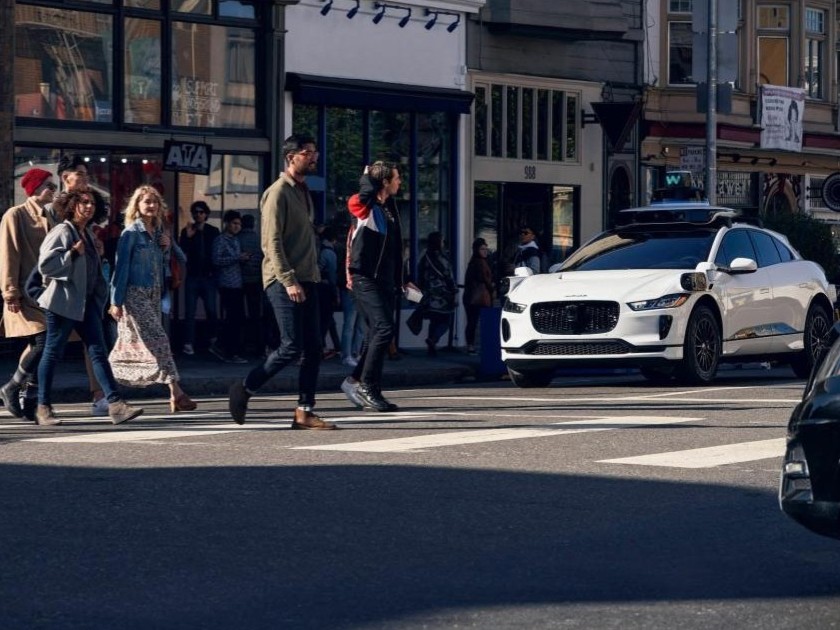
Fully autonomous vehicles (AVs), or cars and trucks that can drive themselves without a human at the controls, are already on U.S. roads. Many companies are currently testing AVs, and AV programs have been launched across the country by various companies in the technology and transportation industries.
AVs have the potential for tremendous safety benefits by eliminating the dangerous driving behaviors that humans – either unintentionally or on purpose – commit. But it will be decades until all vehicles on the road will be autonomous. Until then, autonomous vehicles will need to share the road safely with human drivers.
Further, the public remains skeptical about the safety of autonomous vehicles. Surveys have shown that fewer than 30% of people report that they would feel comfortable riding in a highly automated vehicle, and fewer than a quarter would buy one as soon as it became available.
This presents a challenge to states, which are responsible for public education, driver licensing, and establishing and enforcing traffic laws. GHSA believes that states should play a prominent role in dealing with the issues that will come from a mix of autonomous and human-driven vehicles on the roads.
First responders – including law enforcement officers, firefighters, emergency medical services and tow-truck operators – need to have the knowledge and tools to safely interact with new and emerging technologies like autonomous vehicles (AVs), especially when there is no driver.
To help protect those who help everyone else on the road, GHSA and Waymo partnered to create an original online safety training course for first responders interacting with Waymo vehicles.
GHSA has compiled additional AV resources for first responders, including which states are operating fully autonomous vehicles, which are soon deploying them, and which are testing. We've also worked with our partners to share resources from additional providers like Aurora, Zoox and Gatik.