Status: Anticipated
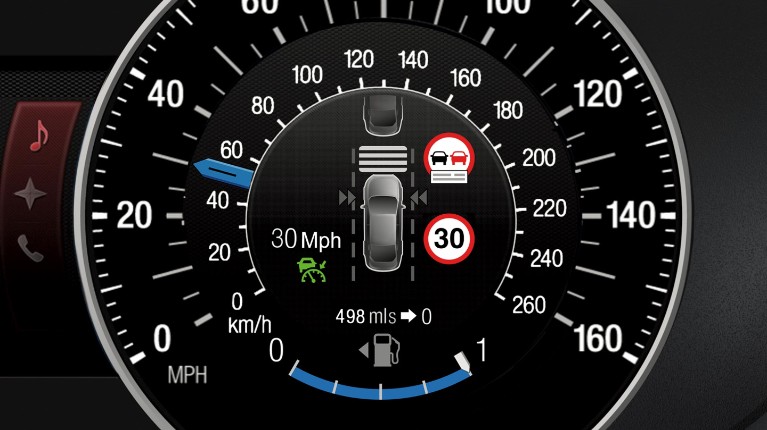
Speeding remains one of the most persistent and deadly threats on U.S. roads. More than 11,000 people were killed in 2024, and 125,000 have died over the last decade. One promising countermeasure is Intelligent Speed Assistance (ISA), which uses real-time GPS data to identify the speed limit and alert or limit the driver when they exceed it. ISA can reduce speeding and help build long-term safe driving habits.
Recent examples show how effective ISA can be. In New York City, a pilot with 500 fleet vehicles saw a 64% drop in speeds well above posted limits. In the District of Columbia, a school bus pilot logged 10,000 miles with zero speeding events. European studies also show strong results. Research has found that ISA reduces crash risk and injury severity, especially in areas with changing speed limits or heavy pedestrian activity. A 2019 report from the European Transport Safety Council estimated that ISA could reduce road deaths by about 20%. Another study projected that mandatory active ISA could reduce injury crashes by 20% and fatal crashes by 37%.
Given ISA’s potential to significantly reduce speeding-related deaths and serious injuries, states need clear guidance on how to advance this technology.
This research will develop a guide to help state highway safety offices (SHSOs) assess stakeholders, build or adapt educational materials on active ISA, and ensure staff have a strong foundational understanding of the technology. It will outline metrics and evaluation processes so SHSOs can measure the impact of their outreach, and provide strategies to engage partners, support pilot programs and develop implementation frameworks. The goal is to provide SHSOs with practical, evidence-based tools to accelerate ISA adoption and reduce the harm caused by speeding.