Drowsy Driving


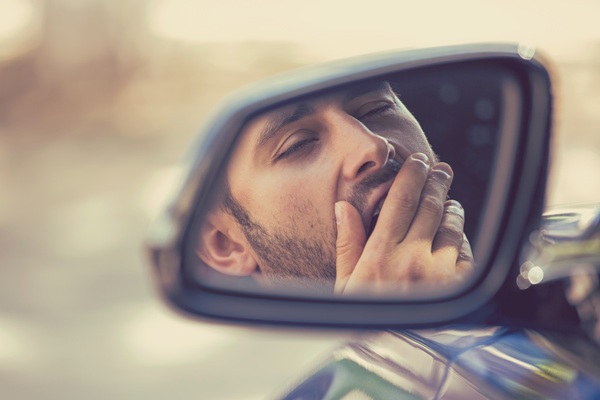
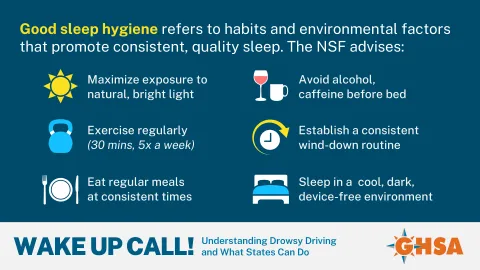
Research shows that nearly 83.6 million sleep-deprived people are in the workplace, at school or driving on the road. A drowsy driver is a dangerous driver for a variety of reasons: Lack of sleep slows reaction time, impairs judgment and situational awareness, and increases lapses in attention and risk-taking – all skills necessary for safely operating a vehicle.
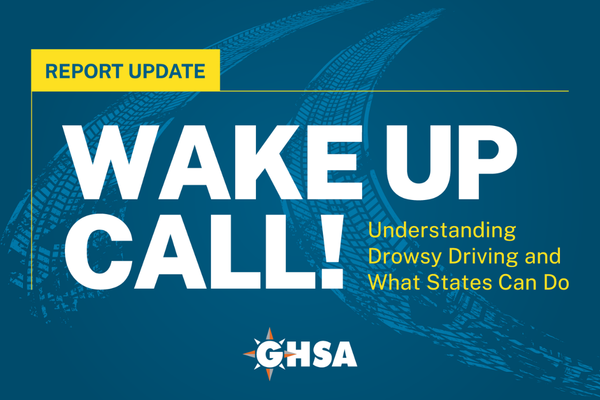
More than 6,300 people died in suspected drowsy driving crashes in 2023 – ten times higher than the 633 deaths officially reported in federal statistics. GHSA conducted a comprehensive analysis in 2025 that uncovered this hidden toll by cross-referencing multiple sources, including the Fatality Analysis Reporting System and the Crash Investigation Sampling System. This massive gap exists because fatigue, unlike alcohol or drugs, leaves no physical evidence that can be tested after a crash.
The data analysis was conducted by Dr. Jim Hedlund, a well-respected roadway safety statistician with Highway Safety North. The report builds on GHSA's original 2016 report, which offers numerous solutions and strategies to address drowsy driving.
Last updated in June 2026.
Currently only two states, New Jersey and Arkansas, have laws expressly addressing drivers who drive drowsy and subsequently injure or kill someone.
Laws last reviewed by SHSOs in June 2025.