Status: Completed (published as BTSCRP Research Report 11 in May 2024)
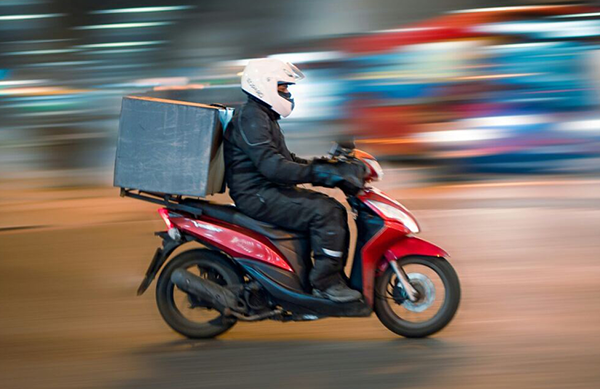
Mopeds and seated motor scooters are increasingly popular for short‑distance travel, yet riders face significant safety risks that are often overlooked in traditional motorcycle or bicycle safety programs. These vehicles operate in a unique space on the roadway, and gaps in data, training and policy have made it difficult for states to address their specific safety needs.
This project examined the current state of moped and seated motor scooter safety and identified strategies to reduce crashes, injuries and fatalities among riders. The research assessed how states classify these vehicles, what licensing and training requirements exist and how well current policies align with rider behavior and risk.
The study reviewed available crash and exposure data to understand how and where incidents occur. It also evaluated the effectiveness of existing safety practices and identified opportunities to strengthen education, enforcement and infrastructure considerations for this group of road users.
The project produced recommendations that help states improve safety for moped and seated motor scooter riders by clarifying vehicle classifications, strengthening training and licensing approaches and improving data collection. These findings support State Highway Safety Offices and partners as they work to address the unique risks associated with low‑powered two‑wheel vehicles.