

General Motors

General Motors logo
November 30, 2024

Since 2024, GHSA and General Motors (GM) have joined forces to tackle some of the most persistent and preventable dangers on U.S. roads – distracted and drowsy driving.

A Partnership Built on Purpose

The collaboration between GHSA and GM reflects a shared commitment to making roads safer for everyone. By combining GM's resources and reach with GHSA's expertise and state-level networks, this partnership is translating research into real-world impact; one community, one campaign and one driver at a time.

2026 State Grants

Since 2024, GHSA and GM have directed $785,000 in grant funding to states developing innovative, data-driven approaches to distracted driving prevention. This investment has enabled states to pilot promising programs, engage communities and build lasting enforcement and education infrastructure.

In 2026, $200,000 in grants were awarded to two State Highway Safety Offices:

  •  

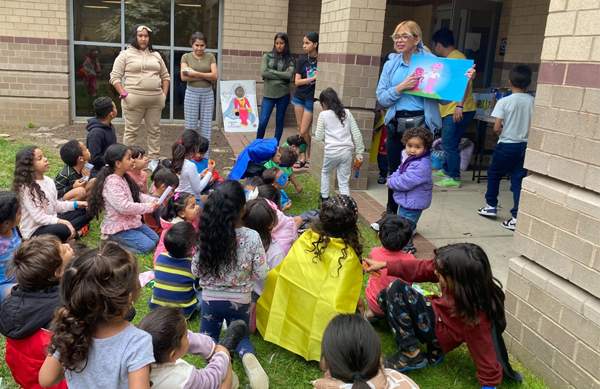
The Alaska Highway Safety Office, in partnership with the Center for Safe Alaskans, is implementing a program targeting young drivers that combines the Ready Assess simulated driving tool with mindfulness-based training. The initiative will raise awareness of how mindfulness can support safer driving through a statewide media campaign, school and community outreach and personalized driving feedback. Caregivers will also receive tools to help reinforce safe driving habits among youth during supervised practice.

Protect your teen driver

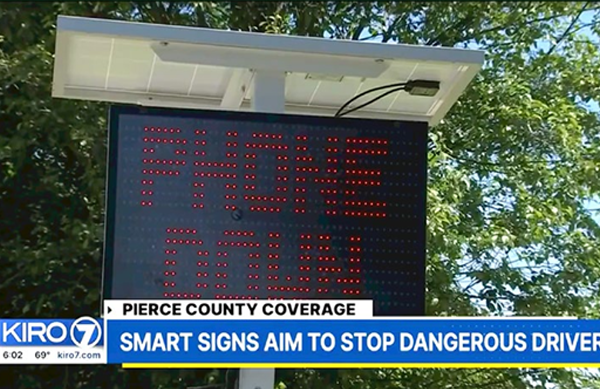
The Washington Traffic Safety Commission, in partnership with Cambridge Mobile Telematics, is supporting law enforcement agencies’ use of StreetVision, a telematics-based tool that identifies areas with elevated risk of distraction. The project will help agencies better plan and adjust enforcement activities by incorporating data driven insights into patrol decisions. Training and support will be provided to licensed users and lessons learned will inform future distracted driving enforcement efforts in the state.

Street map

Using Storytelling to Combat Distracted Driving

Each April, with support from GM, GHSA leads a national campaign to raise awareness about distracted driving and promote safer behaviors. In 2026, GHSA implemented a multi-faceted outreach effort designed to engage new audiences, elevate youth voices, and deliver impactful, action-oriented messaging.

Engaging Youth Journalists

  • In 2026, GHSA continued its partnership with Youthcast Media Group (YMG), a nonprofit that trains high school and college students from underserved communities, more than 95% of whom are youth of color, to report on critical issues such as traffic safety.
  • For the second consecutive year, student journalists created compelling, youth-driven content highlighting the risks and real-life impacts of distracted driving. These stories combined data with powerful personal narratives from victims and their families, helping the message resonate with younger audiences.
  • To extend this impact, the content created by students was compiled into a digital toolkit with ready-to-use social media assets. This resource was shared with State Highway Safety Offices (SHSOs) to help them connect with drivers ages 16 to 24.
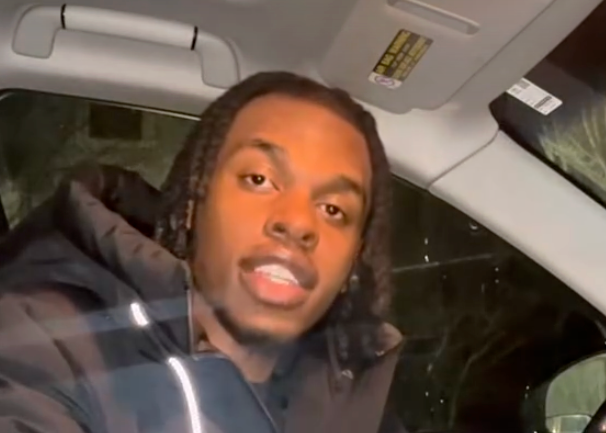
  • Washington, D.C. high school student Derrick Deal Jr. created an Instagram reel encouraging drivers to silence their phones and keep them out of reach. It reached 1,900 engagements.
Derrick Deal

Expanding Reach Through Influencers

Campaign Results

Building on the success of 2025, in its 2026 campaign GHSA again partnered with social media influencers to deliver distracted driving prevention messages to broader audiences in relatable and engaging ways. 

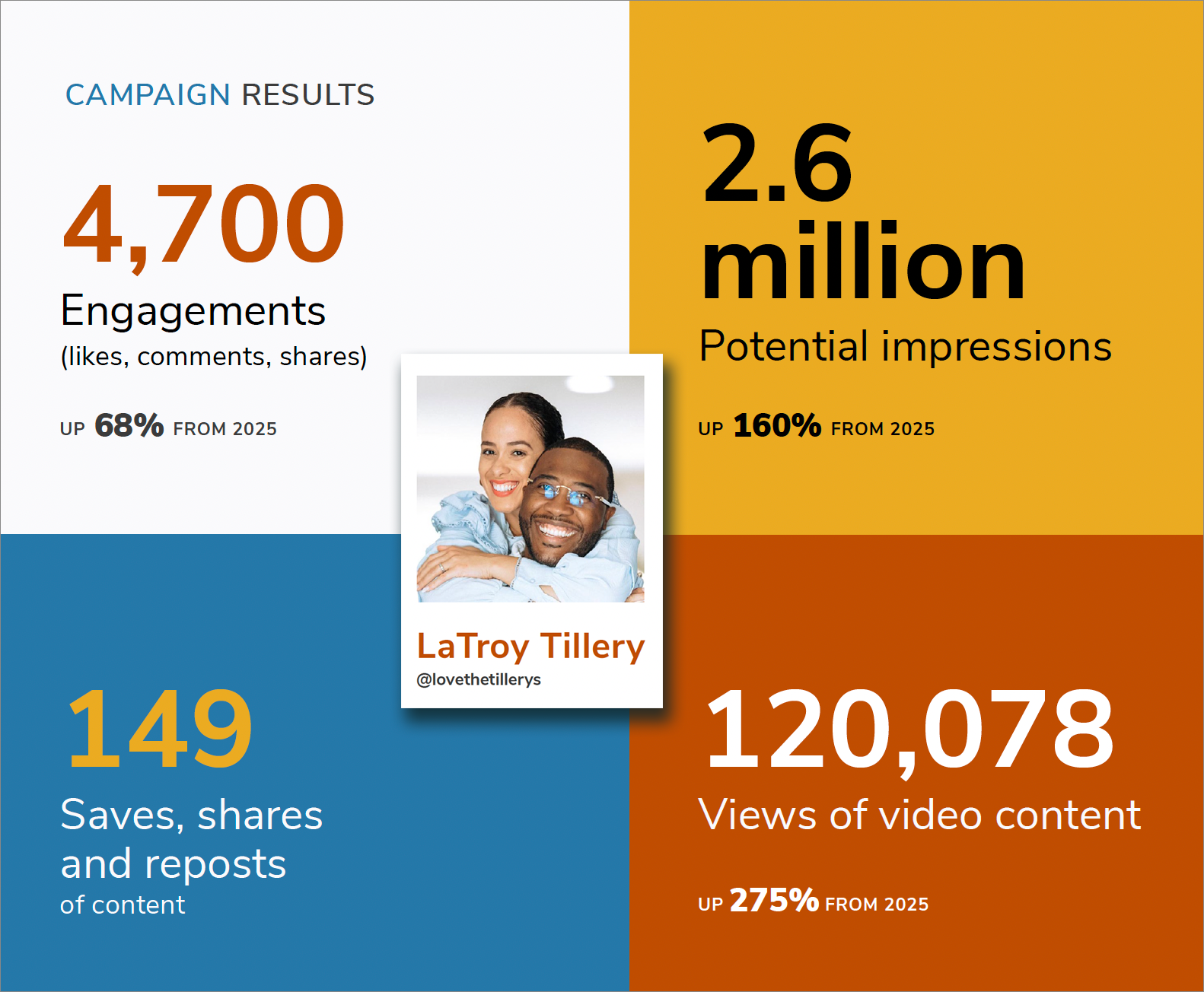
A key collaboration featured influencer family LaTroy and Nicole Tillery, who have more than 1.6 million followers across platforms. Their campaign posts encouraged followers to never drive distracted and generated millions of impressions, along with thousands of views and engagements, demonstrating strong audience interest, resonance with the message, and increased awareness of distracted driving risks.

Past Initiatives

  • 2025: GHSA recruited social media influencers and professional and college athletes to spread the distraction-free message, including NASCAR driver Ross Chastain; Adrian Wood, Ph.D., an author and mother of four; Adria Thompson, a dementia care educator; and three West Virginia University athletes and coaches.
  • 2024: GHSA members and staff shared videos explaining why they choose to drive distraction-free and encouraged others to do the same. The peer-to-peer campaign garnered support from dozens of members and partner organizations including FCCLA, SADD, the National Safety Council and The Wise Drive.
  • 2023: GHSA and GM encouraged drivers to build a lifelong habit of putting their phones away behind the wheel, drawing on research showing it takes as little as 30 days of consistent behavior to form a lasting routine.

Drowsy Driving Prevention

Distracted driving isn't the only behavior that GHSA and GM are tackling. In 2026, GHSA published Wake Up Call! Report Update: Understanding Drowsy Driving and What States Can Do, a comprehensive research report shining a spotlight on this deadly but preventable behavior and providing states with practical, action-oriented steps to eliminate it.

Putting a Spotlight on Drowsy Driving Risks

Beyond the social media campaign, YMG developed the Youth and Drowsy Driving: A Social Media Toolkit for State Highway Safety Offices, providing SHSOs with ready-to-use messaging, graphics and resources to educate young drivers about the risks of driving while fatigued. The toolkit equipped states with resources to continue promoting drowsy driving prevention throughout the year.

As part of its partnership with GM, GHSA collaborated with YMG students and engaged social media influencers to raise awareness about the dangers of drowsy driving during Drowsy Driving Prevention Week 2025. The campaign reached nearly 483,000 impressions, generated more than 53,000 video views and drove over 2,800 engagements across social media platforms. 

  • The initiative featured influencers who connected with parents, teen drivers, healthcare professionals and family audiences through authentic, relatable content. Their posts encouraged conversations about recognizing the signs of fatigue, prioritizing rest and making safe choices behind the wheel.
  • The campaign sparked meaningful engagement, encouraging audiences to share personal experiences, family safety practices, and stories of lives impacted by drowsy driving. One standout example was a post by parenting expert Dr. Kim VanDusen, which encouraged parents to discuss drowsy driving with their teen drivers. The post highlighted the power of family-centered messaging to spark conversations about road safety.
  • The campaign also generated dozens of personal stories from audience members, including experiences with fatigue-related crashes, family safety practices and discussions with young drivers. Many participants shared that they were learning about Drowsy Driving Prevention Week for the first time, highlighting an often-overlooked traffic safety issue.

These joint efforts transformed traffic safety education into meaningful dialogue and action, combining peer-driven outreach, influencer storytelling and practical educational resources and reinforcing a shared commitment to preventing crashes, injuries and fatalities on our nation's roadways.

Partner

Related Issues

Related Resources

GHSA Reports
Term raw: GHSA Reports | Slug: ghsa-reports
April 15, 2026

Transitioning from Reactive Planning to a Fast Loop

A new report from the Governors Highway Safety Association and Cambridge Mobile Telematics explains how State Highway Safety Offices (SHSOs) can leverage telematics-based risk assessments to strengthen their Triennial Highway Safety Plans (THSPs) and save more lives.
Toolkits
Term raw: Toolkits | Slug: toolkits
February 12, 2026

Promising Practices to Address Drowsy and Distracted Driving

Legislative, enforcement, education and technology strategies are being used across the country to address these issues and bring down their prevalence. GHSA and General Motors held two virtual information exchanges to highlight and share successful programs that can serve as inspiration and models that states can use in their program planning.